How to Prepare Your Orlando AC for Fall
Published: 2026-04-25 · By PlusHVAC Air Conditioner Repair Orlando
As the vibrant summer heat begins to wane in Orlando, it's crucial for homeowners to shift their focus toward preparing their air conditioning systems for the autumn months. The unique climate here, characterized by high humidity and the potential for late-season tropical storms, makes this maintenance not just a good practice, but a necessity. Failing to check on your AC unit now could lead to costly repairs later, especially as salt air and excess moisture can erode and damage your system more aggressively than many homeowners realize.
Why This Matters for Orlando Homeowners
Orlando's summertime temperatures often push air conditioning units to their limits, resulting in wear and tear that may not be immediately noticeable. With the transition to fall, humidity remains high, increasing the risk of mold growth within your system if left unchecked. Additionally, the relentless salt air can corrode components, reducing efficiency and lifespan. As homeowners, it’s essential to understand these local conditions and their impact on your air conditioning system. A comprehensive inspection before the cooler months can save both time and money down the road.
Ignoring signs of wear, like unusual sounds or fluctuating temperatures, could mean facing a malfunction when you need cooling the most. It's far more advisable to tackle maintenance proactively rather than through crisis management, especially in a coastal city.
Lastly, many properties in Orlando are elevated and feature moisture barriers that can complicate HVAC issues if not addressed. This means routine checks and replacements become even more critical.
Expert Solutions & Actionable Tips
1. Inspect and Clean the Condenser Coils
The condenser coils play a pivotal role in your AC's ability to cool your home. Given Orlando's humid climate, dirt and debris can gather quickly. Cleaning these coils can cost between $100 and $200 but will greatly enhance your unit's efficiency. This task is best done before the intense fall humidity starts.
To clean the coils, turn off the power to the unit, remove any surrounding vegetation and debris, and gently wash the coils with a mild detergent before rinsing thoroughly.
2. Change the Air Filters
Clogged filters can dramatically reduce air quality and system efficiency. In Orlando, where pollen and dust levels fluctuate, changing your air filters every 2-3 months is recommended. Filters usually cost around $15-$30, depending on type and size.
Simply locate the filter slot, take out the old filter, and replace it with a new one. This simple step can prevent system strain and promote better air quality in your home.
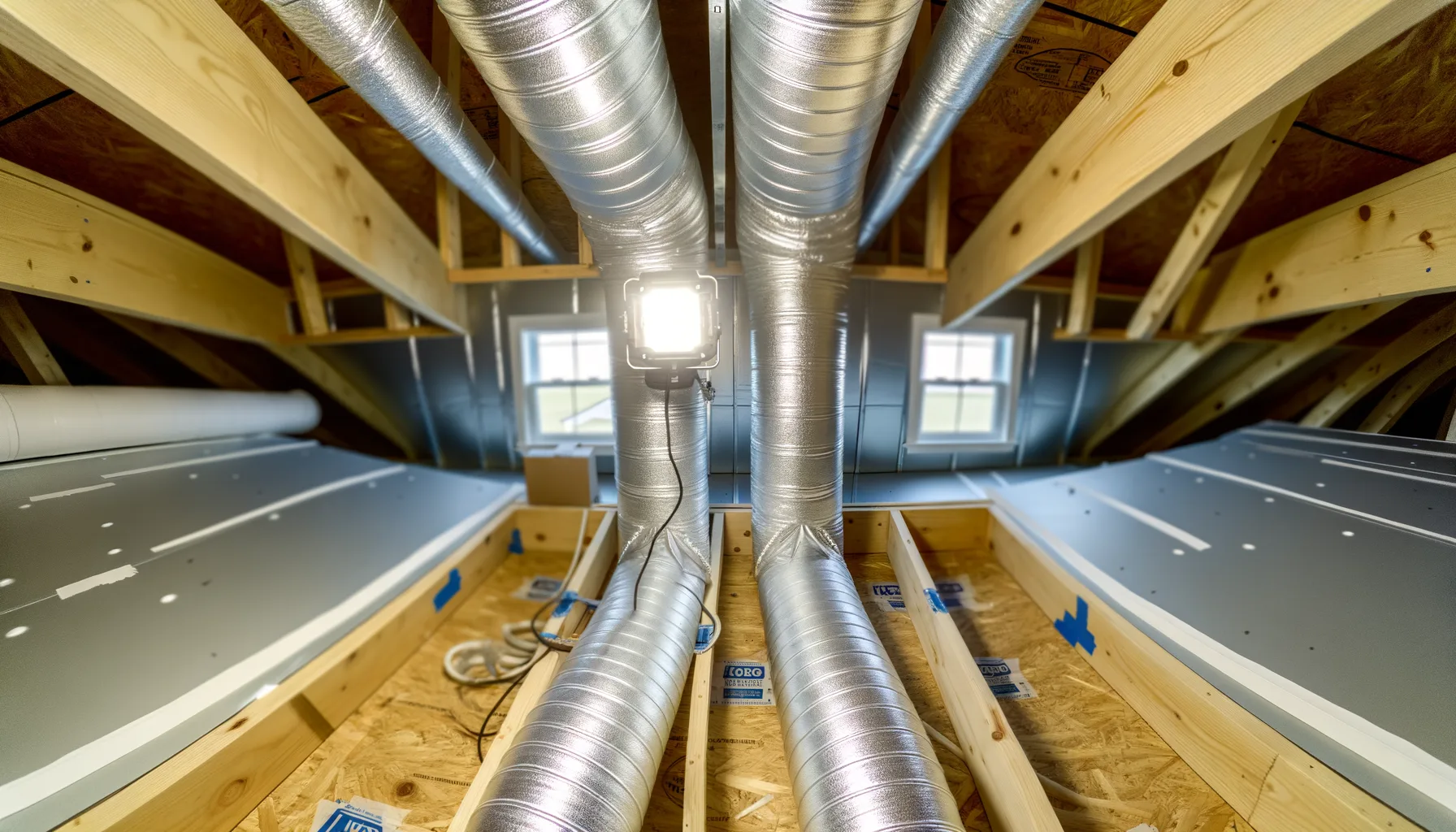
3. Check Ductwork for Leaks
Leaks in your ductwork can lead to wasted energy and decreased efficiency, a common problem in Orlando homes due to moisture damage. You may need a professional inspection, which can range from $75 to $150, to identify and seal any gaps.
Proper sealing can improve efficiency by up to 20%, making this repair an investment that pays off in lower energy bills.
4. Test the Thermostat Functionality
Before the season changes, it's wise to check that your thermostat is functioning correctly. Many homeowners in Orlando can face issues with WiFi-enabled thermostats if they're not calibrated properly. A technician can easily ensure your thermostat is set correctly, usually for about $50-$100.
Often a simple reset or recalibration is all that's needed to ensure seamless transitions between cooling and heating modes.
5. Schedule a Professional Tune-Up
A comprehensive tune-up by a professional can range from $80 to $150 and is particularly important in a coastal climate like Orlando's. Experienced technicians will inspect all components, check for wear, and ensure your unit is winter-ready.
This proactive approach can identify potential problems before they require costly repairs, ensuring your AC remains efficient during the transition into fall.
6. Consider a Surge Protector
With the potential for thunderstorms in the fall, investing in a surge protector for your AC unit can guard against voltage spikes that may otherwise damage the system. You might spend around $200 to $400 for the installation by a licensed technician, but it could save you significantly in repair costs down the line.
This small investment can ensure your system survives the electrical stresses that often accompany Florida’s tropical storms.
Orlando Climate & Local Context
Orlando is no stranger to the challenges posed by its humid subtropical climate. With average humidity levels hovering around 74%, it's essential for homeowners to remain vigilant in maintaining their air conditioning systems. Elevated homes often present unique challenges, especially concerning moisture barriers designed to keep humidity at bay. These factors can accelerate wear and tear on AC units if not monitored carefully.
The high salinity of coastal air further contributes to the corrosion of metal components in your HVAC system, demanding more frequent checks and maintenance. Local codes also mandate certain standards for HVAC installations and repairs, which can complicate DIY fixes or unlicensed repairs, resulting in costly fines.
Understanding these local nuances is key for any Orlando homeowner looking to protect their investment and ensure their air conditioning system operates efficiently and effectively.
When to Call a Professional
While many minor maintenance tasks can be handled by yourself, certain situations warrant a call to a professional technician. Below are scenarios to observe before deciding whether to DIY or ask for help:
- If your unit is making unusual noises, such as grinding or banging
- If you detect a burning smell or see smoke
- If your system routinely cycles on and off
- If there is ice buildup around the refrigerant lines
- If your AC fails to circulate air evenly
- If the system is more than ten years old, a thorough inspection is recommended
Handling these red-flag symptoms quickly can save you from larger problems later. Always err on the side of caution and prioritize your family's comfort and safety when it comes to your air conditioning.
Frequently Asked Questions
What are common signs that my AC needs repair?
Look for decreased airflow, unusual noises, or frequent cycling of your AC system. In Orlando, humidity that causes water pooling around the unit is also a common issue signaling a repair is needed.
How often should I have my AC serviced?
For optimal performance, scheduling service at least once a year is best. In humid climates like Orlando, consider additional checks before the summer and fall seasons to prevent issues.
Can I perform maintenance myself?
Many homeowners can handle tasks like replacing filters and cleaning condenser coils. But for more complex issues, especially those that may involve electrical work or refrigerant management, it's wise to call a professional.
What is the average cost of AC repair in Orlando?
Repair costs can vary widely based on the issue, but most repairs typically range from $150 to $500, depending on the required work. More extensive repairs may exceed $1,000.
What are the benefits of a professional tune-up?
A professional tune-up can improve efficiency, extend the lifespan of your system, and can catch small problems before they lead to major repairs. This proactive approach is especially important in Orlando’s tough climate.
Get Expert Air Conditioning Repair Service in Orlando
As the fall approaches, ensuring your AC is prepared is crucial to avoid unexpected breakdowns. For reliable air conditioner repair in Orlando, don’t hesitate to reach out to PlusHVAC Air Conditioner Repair Orlando at (689) 212-0957. Our expert team is ready to help keep your home comfortable this season.
Contact PlusHVAC Air Conditioner Repair Orlando today for a thorough inspection and maintenance service tailored to your needs!